

Engagement Stone Meanings: What Your Gemstone Color and Cut Means
Apr 08, 2025
by Suzanne Sachs • 5 min read

THE BASICS --
An engagement ring is more than a simple piece of jewelry, it is richly layered with meaning and sentiment representing not only a couple’s love, but also their personalities and style preferences, relationship history, and commitment to a future together. To perfectly capture all this symbolism, many couples choose an engagement ring with suitable gemstone, cut, and design meanings to showcase their unique romantic journey.
WHAT YOU NEED TO KNOW--
In this guide, we will explain the following:
- Why Gemstones Matter?
- Gemstone Meanings
- Diamond
- Emerald
- Ruby
- Sapphire
- Garnet
- Pearl
- Aquamarine
- Peridot
- Spinel
- Topaz
- Citrine
- Opal
- Tourmaline
- Turquoise
- Engagement Ring Cut Meanings
- Meaning Behind Engagement Stone Settings
- The Most Important Meanings
Why Gemstones Matter?
An engagement ring is far more than just a piece of jewelry, and the center stone is the one part of the ring that truly stands out, catches the eye, and gives a first impression. Additional side stones, accents, and design details add more clarification and meaning to the ring, creating a complete design and an intricate, personalized story. The center stone type, shape, and arrangement all affect what story the ring will tell.

Gemstone Meanings
The type of center stone in an engagement ring is the most obvious focal point of the piece and conveys the most symbolism of the ring. The most popular and symbolic engagement stones include…
1. Diamond
Diamonds have long symbolized eternal love, purity, strength, and faithfulness, making them the most traditional choice for engagement rings. Their beauty and durability have made them treasured gemstones for centuries. For those who appreciate historic craftsmanship, vintage diamond rings offer a connection to the past, with distinctive details and diamond cuts that reflect the jewelry styles of their time.

2. Emerald
With their rich green tones, emeralds have long symbolized rebirth, renewal, fertility, and compassion. Associated with nature and new beginnings, emeralds have been treasured for centuries by royalty and jewelry lovers alike. Their vibrant color made them especially desirable in Victorian and Art Deco jewelry, where they were often paired with diamonds. Today, vintage emerald rings showcase the gemstone's beautiful green hues in distinctive settings that reflect the craftsmanship of their time.

3. Ruby
Richly colored in shades of red, rubies have long symbolized passion, courage, love, and confidence. Their vibrant color made them a favorite in Victorian and Art Deco jewelry, often paired with diamonds to create striking designs. Today, vintage ruby rings continue to be admired for their rich red hues, historic craftsmanship, and distinctive settings.

4. Sapphire
Long associated with royalty, sapphires symbolize loyalty, purity, trust, wisdom, and honesty. Their rich blue hues have made them a treasured gemstone for centuries, particularly in Victorian, Edwardian, and Art Deco jewelry. Often paired with diamonds, vintage sapphire rings showcase beautiful period craftsmanship and distinctive designs that continue to appeal to jewelry lovers today.

5. Garnet
Known for their rich red hues, garnets also occur in shades of green, orange, pink, and purple. Throughout history, garnets have symbolized devotion, protection, tranquility, and safe travels. Particularly popular during the Victorian era, these colorful gemstones were often featured in beautifully crafted gold jewelry.

6. Pearl
Timelessly Pearls have long symbolized purity, wisdom, gentleness, and tears of joy. Their soft, luminous appearance made them especially popular during the Victorian and Edwardian eras, when they were often paired with diamonds in delicate gold and platinum settings. Today, vintage pearl rings preserve the romantic character and beautiful craftsmanship of these historic jewelry designs.

7. Aquamarine
With their beautiful shades of pale blue to blue-green, aquamarines symbolize tranquility, serenity, and emotional balance. Long associated with the sea, these gemstones were believed to bring protection and good fortune to sailors. Their soft, calming colors made them especially appealing in Art Deco jewelry, where they were often featured in elegant geometric settings.

8. Peridot
Known for its distinctive yellowish-green to olive-green hues, peridot has long symbolized strength, renewal, harmony, and positive energy. Throughout history, the gemstone has been associated with protection, prosperity, and good fortune. Its vibrant green color made it a popular choice in Victorian and Mid-Century jewelry, often paired with pearls and diamonds.

9. Spinel
Spinel has long been associated with rejuvenation, vitality, hope, and renewal. Available in a beautiful range of colors, including red, pink, purple, and blue, spinel has often been mistaken for ruby and sapphire throughout history. Its vibrant hues and brilliance have made it a treasured gemstone in both royal collections and antique jewelry.

10. Topaz
Topaz has long been associated with clarity, strength, and good fortune. Throughout history, the gemstone has also symbolized healing, abundance, and spiritual renewal. Available in a variety of colors, from golden yellow to soft blue and pink, topaz has been admired for its beauty and versatility in jewelry. Today, vintage topaz rings combine these traditional meanings with the craftsmanship and character of earlier jewelry designs.

11. Citrine
Known for its warm shades of golden yellow to rich orange, citrine symbolizes optimism, prosperity, confidence, and positive energy. Often associated with abundance and new beginnings, this cheerful gemstone has been treasured for its sunny appearance. Citrine became especially popular during the Retro era of the 1940s, when bold, colorful gemstones were featured in statement jewelry designs.

12. Opal
Known for their captivating play of color, opals symbolize love, passion, creativity, and imagination. Their shifting flashes of blue, green, red, and orange give each gemstone a distinctive appearance. Especially admired during the Victorian and Art Nouveau eras, opals were often featured in decorative gold settings accented with diamonds. Today, vintage opal rings showcase the gemstone's colorful beauty and the craftsmanship of historic jewelry designs.

13. Tourmaline
Tourmaline symbolizes balance, inspiration, creativity, and emotional healing. Available in a remarkable range of colors, from soft pink and vibrant green to deep blue, tourmaline has been admired for its beauty and versatility. Particularly popular during the Victorian and Art Deco eras, the gemstone was often featured in decorative settings accented with diamonds. Today, vintage tourmaline rings showcase these beautiful colors in distinctive designs that reflect the craftsmanship of their time.

14. Turquoise
Turquoise has long symbolized protection, wisdom, healing, and tranquility. Prized for its beautiful shades of blue and blue-green, this gemstone has been treasured by cultures around the world for thousands of years. During the Victorian era, turquoise was often featured in delicate gold settings, sometimes accented with pearls and diamonds. Today, vintage turquoise rings showcase the gemstone's distinctive color and the craftsmanship of historic jewelry designs.

Regardless of the meaning you want to embody with an engagement ring, the center stone can set the tone for that symbolism. Birthstones are also popular options to represent the month a couple first met, began dating, or kissed, or could represent the date of the proposal or wedding. Different stones can also be connected to chakra energies or other spiritual meanings.
Engagement Ring Cut Meanings
Beyond just the type of engagement stone, the cut of that stone can be beautifully meaningful. The most popular engagement stone cut meanings include…
• Round
One of the most popular but relatively conservative shapes, round stones symbolize purity, eternity, wholeness, and unity with their timeless elegance.

• Oval
Similar to round stones but pushing boundaries at the same time, ovals represent uniqueness, individuality, fertility, rebirth, harmony, and creativity.

• Emerald Cut
A longer stone shape, emerald cuts showcase traditional elegance while representing openness, clarity, and refinement with their deep steps and internal views.

• Pear Shape
A pear-shaped stone symbolizes the freshness of nature and indicates a trend-setting personality.

• Marquise
The sharpness of the marquise shape signifies a strong will but with both elegance and opulence, as well as a hint of glamor.

• Heart Shape
An obvious romantic shape to demonstrate love and passion, the heart also shows a connection to innocence and sentiment.

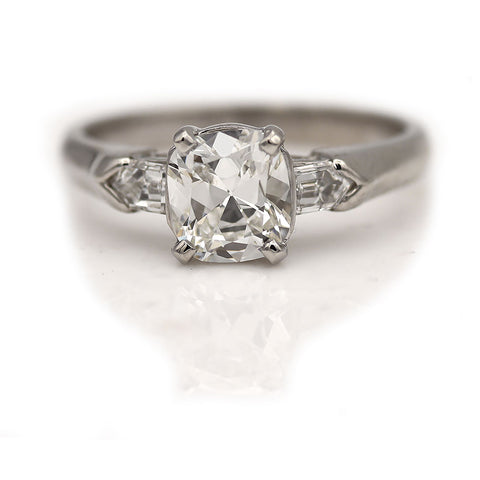
• Cushion Cut
An older cut with a vintage feel, the cushion shape represents gentleness, femininity, and timelessness.
• Princess Cut
The square shape of a princess cut stone represents not only the royalty it is named for, but also strength, stability, and security.

• Asscher Cut
A square cut with a vintage feel, the asscher shape represents elegance and timeless sophistication.

Many couples will incorporate more than one engagement stone shape into their overall ring design. While the center stone may be one shape, for example, side stones or accents can be different shapes for even symbolic richness.
Meaning Behind Engagement Stone Settings
How stones are arranged in an engagement ring can add significant meaning to the ring’s design. Whether a couple prefers an engagement ring with just one stone or a design with multiple accents, the overall ring design can have wonderful meanings.
• Solitaire
The single, bold stone one heart, one love, and the simplicity and innocence of a true passion.

• Three-Stone
A slightly larger center stone flanked with two prominent side stones represents a couple’s past, present, and future together.

• Halo
A center stone surrounded by an even border of accents symbolizes protection, eternity, and heavenly associations.

• Channel Set
Channel-set engagement rings symbolize protection and eternal love because of the solidity and stability of these firm settings.

• Bezel
The single, bold stone in a bezel setting signifie one heart, one love, and the simplicity and innocence of true passion.

• Split Shank
The split shank signifies two paths merging into one, representing a strong and supportive partnership, and the elegance of a shared journey.

• Cluster
The cluster signifies the unity of many moments and experiences that create a beautiful and meaningful relationship.

In addition to the specialized meanings of different engagement ring designs, antique and vintage engagement rings also bring with them all the wonderful symbolism of their respective eras, from the flash and glitter of the roaring 1920s to the elegance of the Edwardian era to the innocence of Victorian engagement rings to the bold proclamations of Art Deco engagement rings. No matter what a couple wants their ring to say, there is a design that can help them say it.
The Most Important Meaning
Above all, the most important meaning and symbolism of a couple’s engagement ring is that is shows the love they have for each other. No matter what stone type, shape, or overall design they choose, if the ring is thoughtfully chosen with their preferences and history in mind, it will perfectly symbolize their relationship.
SUZANNE SACHS
uzanne has been in the jewelry industry for over 35 years, working with vintage jewelers, diamond dealers, diamond cutters, and gemologists. Suzanne started Artdecodiamonds in 2000 and understood the demand for vintage rings throughout the world. She ultimately started VintageDiamondRing.com in 2014, and understands each vintage ring is a reflection of you — your history, your relationships, your style, your elegance and is honored to have the opportunity to help you showcase your flair in a unique and exquisite way.

